
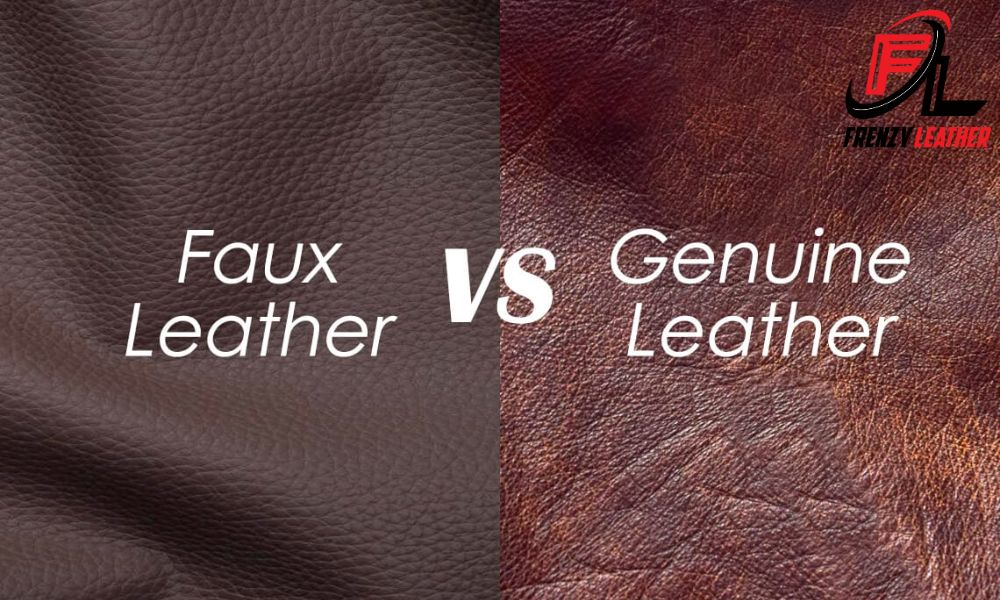
Leather has always carried a reputation for being luxurious, durable, and undeniably stylish. From jackets and handbags to car interiors and office chairs, leather gives off a premium vibe that’s hard to beat. But in today’s world, with the rise of synthetic materials and ethical consumerism, many are asking the big question: What’s the real difference between genuine leather and faux leather?
At first glance, both look strikingly similar, but don’t let appearances fool you. There are several key differences that affect how each material performs, feels, ages, and aligns with your values. So let’s break it down and help you decide what’s right for you.
What is Genuine Leather?
Genuine leather (also known as real, natural or authentic) is leather produced out of the skin (species) of some animals, most notably cows. Once the animal skin is stripped, it is reprocessed efficiently through a meticulous tanning procedure to soften it and to make it resistant and fit to be employed in fashion or upholstery.
There are different grades of real leather, and understanding them can help you know exactly what you’re buying:
- Full-Grain Leather: The highest quality and most natural. It includes the entire grain layer, with all the imperfections and textures that give it character. It’s thick, strong, and develops a beautiful patina over time.
- Top-Grain Leather: Slightly sanded or buffed to remove imperfections. It’s more uniform than full-grain but still durable and upscale.
- Split Leather: Made from the fibrous part of the hide after the top layer is removed. It’s often used in suede or coated to mimic higher-grade leather.
Real leather smells rich, feels supple, and has natural imperfections, things that actually add to its charm and authenticity.
What is Faux Leather?
Synthetic leather, also referred to as faux leather, is a synthetic substitute for natural leather. It is fabricated by depositing plastic polymers, usually polyurethane (PU) or polyvinyl chloride (PVC), on top of a fabric such as polyester or cotton. The surface is then coated and finished to resemble the smell and appearance of natural leather.
As faux leather is manufactured, it is available in different finishes, colours, and textures, some of which are so good that it is difficult to distinguish the difference even at first glance. It is also commonly referred to as vegan leather due to it being non-animal, however, not ecologically friendly.
One of the great benefits? It’s cheaper. In that manner, you will frequently notice the application of faux leather in fast fashion, cheap furniture or cheap accessories.
Genuine vs. Faux Leather: A Side-by-Side Look
Here’s a quick comparison to help you see the differences clearly:
| Feature | Genuine Leather | Faux Leather |
| Material | Animal hide (cow, goat, etc.) | Synthetic (PU, PVC over fabric) |
| Texture | Natural, unique grain; softens over time | Uniform, smooth, sometimes plastic-like |
| Smell | Rich, earthy, natural smell | Chemical or plastic-like smell |
| Durability | Extremely durable; lasts decades | Prone to peeling or cracking over time |
| Aging | Develops patina; looks better with age | Doesn’t age well; may look worn quickly |
| Maintenance | Needs conditioning and care | Easy to clean; low maintenance |
| Price | Higher upfront cost | Budget-friendly |
| Eco Impact | Biodegradable but involves animal use | Vegan-friendly but petroleum-based |
Durability and Lifespan
Genuine leather is the obvious choice in case you need a long-term investment. A leather jacket or even a leather sofa will last decades and generations when taken care of. Over time, it softens and acquires a special patina, making it more characterful.
Fake leather, however, cannot be perfect initially, because it has a higher chance of damage. After some time, synthetic leather will crack, chip off, or fade away, particularly in common things such as chairs or footwear. Although new PU leather far surpasses older forms in durability, it cannot compare to the robustness of each original.
Price
Authentic leather goods are usually more expensive, and rightly so. You are paying a premium price, which also goes to craftsmanship, niceness and durability. A quality leather jacket may seem more expensive at the cashier point; however, it may last you 10-20 years, and in the long run, it can be a good investment.
Faux leather is cheaper, and that is fantastic in case you do not have money to spend on a trend. It is perfect when such things are not going to be used many times or by individuals who want to have something cruelty-free, although this may lead to earlier replacement of the product.
Environmental and Ethical Considerations
This is where the debate becomes more complex. Real leather is prepared out of animal hides, and in most cases, as a byproduct of the meat production industry. Although it is biodegradable and durable, the tanning process, and more so, chrome tanning, are harmful to the environment unless controlled in a good manner.
Faux leather does not involve using animals, thereby making it an in-demand choice among vegans and proponents of animal rights. It is, however, important to note that imitation leather consists of petroleum-based plastics that are non-biodegradable and many times more difficult to recycle as well. This implies that faux leather can lead to microplastic waste and to landfill waste.
That said, there are emerging options like plant-based vegan leathers (made from mushrooms, pineapple, or apple peels), but they’re not yet as widely available or affordable.
When to Choose What
There’s no one-size-fits-all answer here- it depends on what matters most to you.
Choose genuine leather if:
- You value longevity and craftsmanship.
- You want an item that gets better with age.
- You’re looking for premium quality in jackets, shoes, or bags.
Choose faux leather if:
- You’re on a budget or shopping seasonally.
- You prefer animal-free products.
- You want a lightweight, easy-to-clean option for furniture or decor.
Both have their place in modern fashion and design- the key is buying consciously.
Final Thoughts
Ultimately, switching between real and artificial leather is not only an issue of looks, but of the lifetime, morality, and what is convenient to your way of life. Real leather is classic quality with vintage beauty, and faux leather gives a conscious consumer the option of faux leather products that are affordable and animal under free.
What matters most is being aware of what you’re buying. When you choose the real depth and country elegance of natural leather or the modern, low-end flair of synthetics, knowing the true difference between the two assists you in choosing the appropriate option that should suit you, and carry with confidence.